Collecting 101
Coins, explained by people who will never try to sell you one.
How grading works, what the letter under the date means, which dates are worth a second look, and how to handle a coin without ruining it. No prices. No appraisals. Nothing for sale.
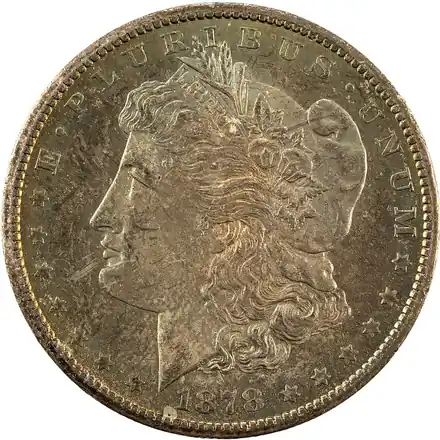
National Numismatic Collection, Smithsonian Institution. Public domain.
Four coins that teach the whole hobby
Each hub covers one family of United States coinage: what it is made of, which dates matter, and what collectors argue about.
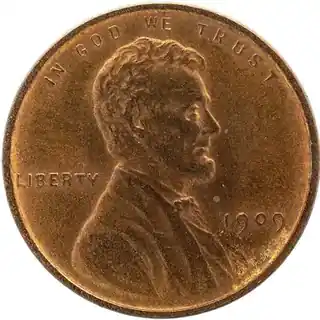 Cents
Cents Cents
Lincoln cents, wheat pennies, and the early copper that started American coin collecting.
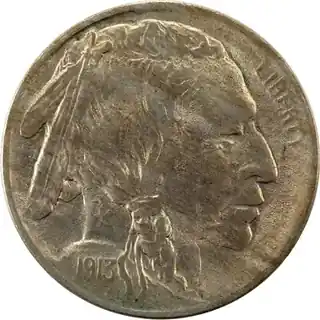 Nickels
 Nickels
Buffalo nickels, Liberty Heads, and the most famous rarity in American numismatics.
Silver Dollars Silver Dollars
Morgan and Peace dollars: what they weigh, what they contain, and why so few survive.
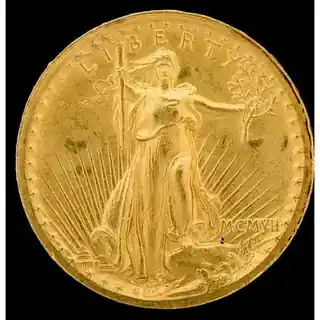 Gold Coins
 Gold Coins
Pre-1933 gold, the Saint-Gaudens redesign, and the modern bullion series.
Coin photographs: National Numismatic Collection, Smithsonian Institution. Public domain.
The Sheldon Scale, Rung by Rung
William Sheldon published the 1 to 70 scale in 1949 to grade large cents. The American Numismatic Association adapted it for all United States coins in the 1970s, and it has governed the trade ever since.
Read the letter under the date
A mint mark tells you which facility struck the coin. Sometimes it tells you a great deal more.
Every guide, in order
The Coin Grading Scale Explained
One to seventy, from Poor to Perfect. Where the scale came from and what each rung means.
Mint Marks on Coins
P, D, S, W, and the historic letters. What they mean and where to look.
Coins With No Mint Mark
Usually Philadelphia. Sometimes a law. Almost never a fortune.
How to Clean Coins
Cleaning destroys value, and graders can always tell. The honest answer is: do not.
What Makes a Coin Valuable
Mintage, survival, grade, demand, metal. Age is not on the list.
How Much Is a Wheat Penny Worth?
Most are worth a few cents. Here is how to tell whether yours is an exception.
Key Date Coins
The scarcest date in a series, and why low mintage is only half the story.
Spotting Counterfeit Coins
Added mint marks, altered dates, whizzed surfaces, and how to avoid all three.
How to Buy Coins
Buy the coin, not the story. What to check before money changes hands.
The Wheat Penny
Struck 1909 to 1958. Two wheat stalks, one designer, and a wartime metal swap.
The Buffalo Nickel
1913 to 1938. A composite portrait, a Bronx Zoo bison, and dates that wore away.
The Morgan Silver Dollar
26.73 grams, 90 percent silver, five mints, and 270 million melted.
Rare Coin Errors: What to Look For
A failure during manufacture, not damage afterward. Planchet, die and strike errors, and how to tell them apart.
What this site is
The Coin Register is an independent reference for coin collectors, written from primary sources. Every factual claim here traces to one, and the sources are named on the page where the claim appears.
House rules
- We publish no prices and no appraisals.
- We sell nothing and grade nothing.
- We name our sources on the page.
- We tell you when the answer is that nobody knows.